AI Agents in Your DAM: The Shift from Smart Storage to Autonomous Workflows

AI Agents in Your DAM: The Shift from Smart Storage to Autonomous Workflows

Your DAM has auto-tagging. Maybe AI-powered search. Perhaps a smart metadata extractor baked into the upload flow. That is useful. But it is also table stakes now. The shift happening across marketing operations right now is much bigger: AI digital asset management is moving from features bolted onto storage to agents that take action on your behalf.

The difference matters more than most vendors are willing to admit.

What AI Agents Actually Do in a DAM

An

Headless DAM: why an API-first DAM saves you hours

Headless DAM: Why Your Content Stack Needs an API-First Asset Layer

Most DAMs are islands. Your assets live in one place, your CMS lives somewhere else, your e-commerce platform is its own thing, and the three of them have never had a real conversation. Your team bridges the gap manually: downloading files, re-uploading them, hunting for the right version, hoping nobody used the outdated logo. Again.

Headless DAM fixes this. Not by adding more features to your existing setup, but by rethinking what a DAM is actually for.

What

Why Dropbox Is Not a DAM (And When That Starts to Matter)

Dropbox works great — until it doesn’t. Most teams hit the same wall somewhere between 500 and 2,000 files: the folder structure stops making sense, nobody can find anything, someone publishes the wrong logo version, and the Dropbox bill quietly climbs past $400 a month.

At that point, someone usually asks: “Should we get a proper DAM?”

The honest answer: yes, probably. But the more useful answer is understanding exactly what Dropbox can and cannot do — so you know

Why Dropbox Is Not a DAM (And When That Starts to Matter)

Dropbox works great — until it doesn’t. Most teams hit the same wall somewhere between 500 and 2,000 files: the folder structure stops making sense, nobody can find anything, someone publishes the wrong logo version, and the Dropbox bill quietly climbs past €400 a month.

At that point, someone usually asks: “Should we get a proper DAM?”

The honest answer: yes, probably. But the more useful answer is understanding exactly what Dropbox can and cannot do — so you know

12 Best Practices to Manage Your Digital Assets

Most teams waste 30 minutes a day hunting for files that should take 30 seconds to find. If your assets are scattered across Dropbox, Google Drive, email threads, and someone’s desktop, you already have a digital asset management problem. These 12 digital asset management best practices will help you fix it.

What is Digital Asset Management (DAM)?

Digital asset management (DAM) is the practice of centralizing, organizing, and controlling access to your organization’s digital files — images, videos, brand

10 Best Practices for Digital Asset Management

Every growing team eventually hits the same wall: assets scattered across shared drives, Slack threads, and local desktops. Creative briefs reference the ‘final’ logo, but nobody can find the file. Brand guidelines exist — yet old versions keep resurfacing in decks. If any of this sounds familiar, you need more than storage. You need a system. That system is built on solid digital asset management best practices.

This guide covers the 10 best practices for digital asset management that scale — whether

The power of flow

Ever wondered how to stay enthusiastic about your startup. Here is a great insight:

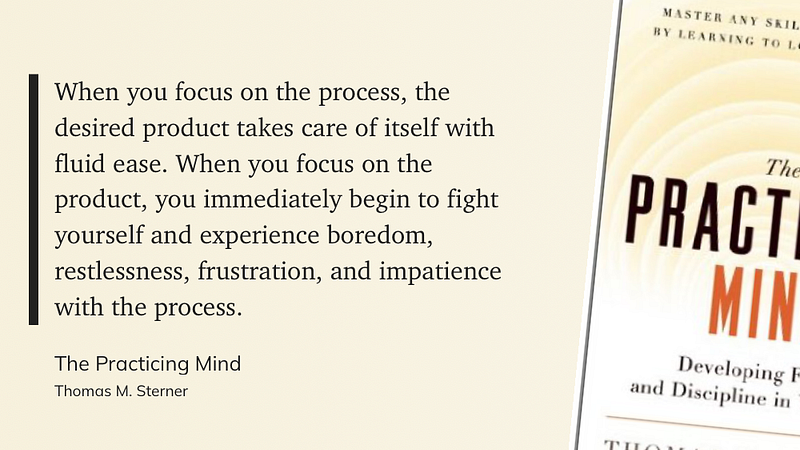
When you focus on the process, the desired product takes care of itself with fluid ease. When you focus on the product, you immediately begin to fight yourself and experience boredom, restlessness, frustration, and impatience with the process.

nitai.me/2023/10/1…

On marketing

A great advice, especially for entrepreneurs:

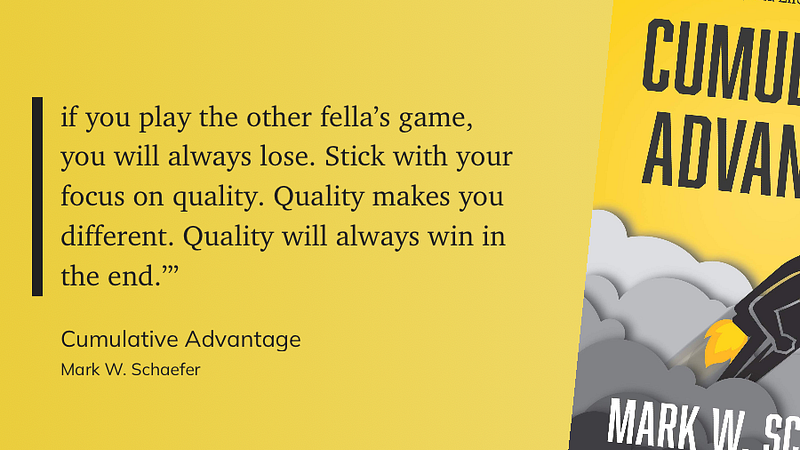
“if you play the other fella’s game, you will always lose. Stick with your focus on quality. Quality makes you different. Quality will always win in the end.’”” (Mark W. Schaefer, Cumulative Advantage)

nitai.me/2023/10/1…